- Country
- Serbia
- Origin Story
- Slava is a Serbian tradition in which families celebrate their patron saint. It developed after the Christianization of the Serbs between the 9th and 11th centuries, when families began honoring a saint as their spiritual protector. The custom became a hereditary tradition passed down through generations and is closely tied to the Serbian Orthodox Church.
- Folklore Type
- Religious Ritual
- Event Date
- Varies by family; each celebrates on the feast day of their chosen patron saint.
- Ritual Significance
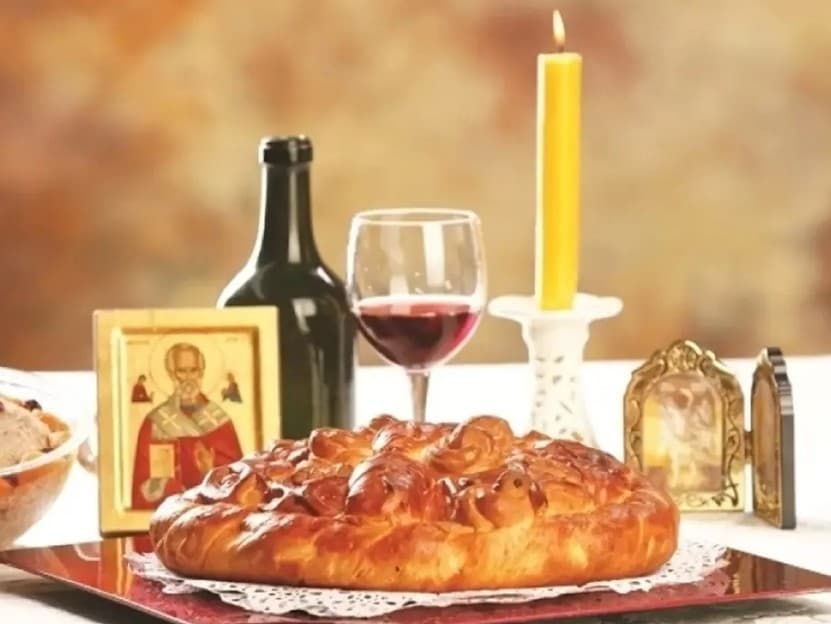
- The celebration includes lighting a specially designed candle, preparing a ritual bread called 'Slavski kolač', and offering 'žito' (boiled wheat). These rituals symbolize Christ's body and blood, fertility, and prosperity. The event reinforces social relations and plays an important role in establishing and maintaining dialogue in multi-ethnic and multi-confessional areas.
- Fun Fact
- In 2014, Slava was inscribed on UNESCO's Representative List of the Intangible Cultural Heritage of Humanity, recognizing its significance in Serbian culture.
- Duration
- Typically one day, but festivities can extend over several days depending on family traditions.
- Symbol
- The 'Slavski kolač' (ritual bread) and the 'Slava' candle are central symbols, representing Christ's body and the light of faith, respectively.
 TheLysts