- Country
- Brazil
- Origin Story
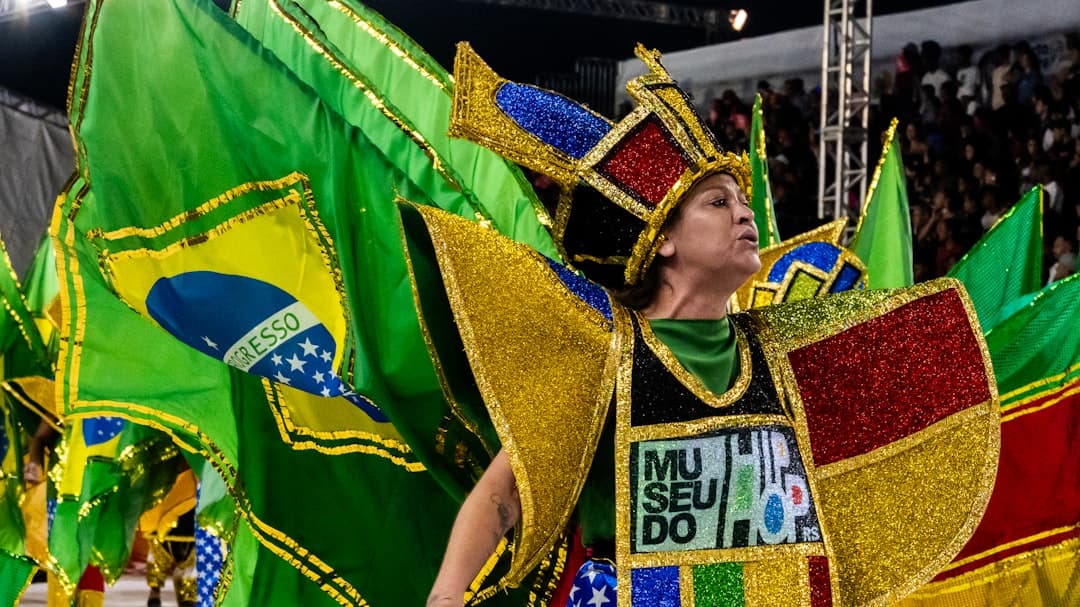
- The Brazilian Carnival traces its origins to the Portuguese Age of Discoveries, when Portuguese caravels passed through Madeira Island, a territory that already celebrated its own carnival season. This tradition was brought to Brazil, where it evolved into a unique cultural event. The first recorded carnival-style celebrations in Brazil occurred in Rio de Janeiro in 1641, known as 'Préstitos,' featuring music and street processions to celebrate the crowning of John IV of Portugal.
- Folklore Type
- Cultural Festival
- Event Date
- Friday before Ash Wednesday to Ash Wednesday midday
- Ritual Significance
- Carnival serves as a period of festivity and indulgence preceding Lent, a 40-day period of fasting and reflection in the Christian calendar. It allows participants to enjoy music, dance, and communal celebrations before the solemnity of Lent begins.
- Fun Fact
- Rio de Janeiro's Carnival is renowned for its massive parades and vibrant samba performances, attracting millions of participants and spectators annually. In 2018, the event drew approximately 6 million people, including 1.5 million tourists from around the world.
- Duration
- 6 days
- Symbol
- Samba Schools
 TheLysts