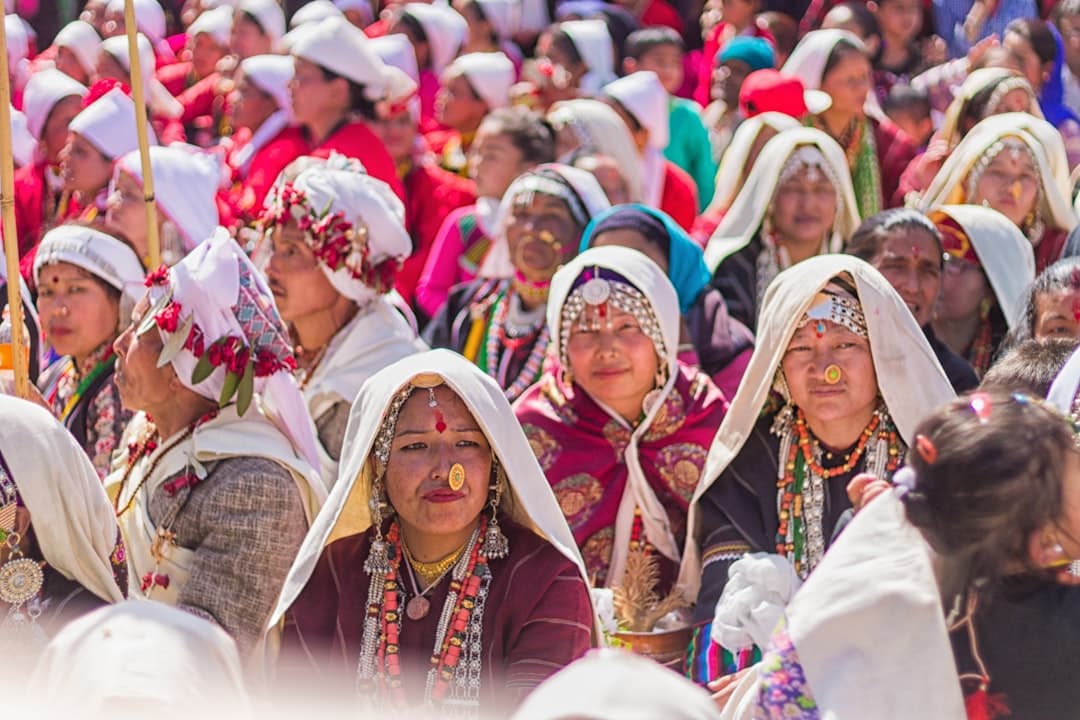
1 Slava Slava | Serbia | Slava is a Serbian tradition in which families celebrate their patron saint. It developed after the Christianization of the Serbs between the 9th and 11th centuries, when families began honoring a saint as their spiritual protector. The custom became a hereditary tradition passed down through generations and is closely tied to the Serbian Orthodox Church. | Religious Ritual | Varies by family; each celebrates on the feast day of their chosen patron saint. | The celebration includes lighting a specially designed candle, preparing a ritual bread called 'Slavski kolač', and offering 'žito' (boiled wheat). These rituals symbolize Christ's body and blood, fertility, and prosperity. The event reinforces social relations and plays an important role in establishing and maintaining dialogue in multi-ethnic and multi-confessional areas. | In 2014, Slava was inscribed on UNESCO's Representative List of the Intangible Cultural Heritage of Humanity, recognizing its significance in Serbian culture. | Typically one day, but festivities can extend over several days depending on family traditions. | The 'Slavski kolač' (ritual bread) and the 'Slava' candle are central symbols, representing Christ's body and the light of faith, respectively. |
|---|
2 Carnival in Brazil Carnival in Brazil | Brazil | The Brazilian Carnival traces its origins to the Portuguese Age of Discoveries, when Portuguese caravels passed through Madeira Island, a territory that already celebrated its own carnival season. This tradition was brought to Brazil, where it evolved into a unique cultural event. The first recorded carnival-style celebrations in Brazil occurred in Rio de Janeiro in 1641, known as 'Préstitos,' featuring music and street processions to celebrate the crowning of John IV of Portugal. | Cultural Festival | Friday before Ash Wednesday to Ash Wednesday midday | Carnival serves as a period of festivity and indulgence preceding Lent, a 40-day period of fasting and reflection in the Christian calendar. It allows participants to enjoy music, dance, and communal celebrations before the solemnity of Lent begins. | Rio de Janeiro's Carnival is renowned for its massive parades and vibrant samba performances, attracting millions of participants and spectators annually. In 2018, the event drew approximately 6 million people, including 1.5 million tourists from around the world. | 6 days | Samba Schools |
|---|
3 Maasai Adumu Jumping Dance Maasai Adumu Jumping Dance | Kenya and Tanzania | The Adumu dance is believed to have originated as a method for Maasai warriors to train for combat, showcasing their stamina, agility, and power. Initially performed by young warriors to hone their leaping and jumping abilities necessary for hunting and combat, it evolved into a ritualized dance performed at significant cultural occasions such as weddings, religious rituals, and other festivals. | Traditional Dance | Performed during significant cultural events, including weddings, religious rites, and festivals. It is also a central part of the Eunoto ceremony, marking the transition of young men from junior to senior warriors. | The Adumu dance serves as a rite of passage for young Maasai men, symbolizing their transition into warriorhood. The height of the jumps demonstrates physical fitness and warrior prowess, attracting attention and respect within the community. It also fosters unity and rhythm among participants, strengthening communal bonds. | The dance is highly competitive, with warriors judged on the height of their jumps and the grace of their movements. The highest jumper gains the greatest esteem and bragging rights for his display of strength and masculinity. | The duration of the Adumu dance can vary depending on the occasion and the number of participants, but it typically lasts several minutes during each performance segment within the broader ceremony. | The height of the jump symbolizes strength, vitality, readiness for leadership, and attractiveness to potential mates. It also represents spiritual elevation and the warrior's readiness to take on responsibilities within the community. |
|---|
4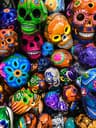 Day of the Dead Day of the Dead | Mexico | Día de los Muertos originated in ancient Mesoamerica, where indigenous groups like the Aztec, Maya, and Toltec commemorated their deceased loved ones during specific times of the year. After the Spanish conquest, these rituals merged with Catholic traditions, aligning with All Saints' Day and All Souls' Day on November 1 and 2. | Cultural Festival | November 1 and 2 | The holiday serves as a time for families to honor and remember their deceased loved ones, believing that the spirits return to visit during this period. It involves creating altars (ofrendas) adorned with photos, candles, marigolds, and the favorite foods and beverages of the departed. | Monarch butterflies are believed to hold the spirits of the departed, as they arrive in Mexico each fall on November 1, coinciding with Día de los Muertos. | 2 days | Marigold flowers (cempasúchil), sugar skulls (calaveras), and altars (ofrendas) are prominent symbols of the celebration. |
|---|
5 Chinese New Year Chinese New Year | China | According to legend, a monster named Nian would attack villages at the beginning of each new year. The villagers discovered that Nian was afraid of loud noises, bright lights, and the color red. To protect themselves, they used firecrackers, displayed red decorations, and lit lanterns, which eventually became integral parts of the New Year celebrations. | Mythical legend | First day of the first lunisolar month, typically between January 21 and February 20 | The festival marks the beginning of the new year on the traditional Chinese calendar. It involves various customs such as family reunions, thorough cleaning of homes to sweep away bad luck, and setting off firecrackers to scare away evil spirits. | The Chinese New Year is also known as the Spring Festival and is celebrated by approximately 20% of the world's population. | 15 days | Red lanterns |
|---|
6 La Tomatina La Tomatina | Spain | La Tomatina began in 1945 when a parade in Buñol's town square was disrupted by a spontaneous food fight among young people, who used tomatoes from a nearby market stall. This impromptu event evolved into an annual tradition, despite being banned in the early 1950s under Francisco Franco's regime. The festival was reinstated in 1957 following local protests, including a symbolic tomato funeral, and has since grown into a globally recognized event. | Festival | Last Wednesday of August | La Tomatina serves as a communal celebration of joy and unity, allowing participants to engage in a playful and liberating experience through the act of throwing tomatoes. | The festival uses over 120 tons of overripe tomatoes, turning the streets of Buñol into a sea of red pulp. The citric acid in the tomatoes acts as a natural cleaning agent, leaving the town's streets cleaner than before the event. | 1 hour | Tomato |
|---|
7 Inti Raymi - Festival of the Sun Inti Raymi - Festival of the Sun | Peru | Inti Raymi, meaning 'Festival of the Sun' in Quechua, was established by Inca Pachacuti in the 15th century to honor Inti, the sun god, and to mark the winter solstice and the beginning of the new Inca year. | Religious Festival | June 24 | The festival symbolizes the mythical origin of the Inca people and serves as a prayer for the sun's return to ensure a prosperous agricultural year. | The modern reenactment of Inti Raymi, initiated in 1944, is the second-largest festival in South America, attracting thousands of visitors annually. | Originally 9 days; modern reenactments last 1 day | Sun |
|---|
8 Cheese Rolling Cheese Rolling | United Kingdom | The Cooper's Hill Cheese-Rolling and Wake is an annual event held on the Spring Bank Holiday at Cooper's Hill, near Gloucester, England. Participants race down the 200-yard-long hill chasing a wheel of Double Gloucester cheese. The tradition's origins are uncertain, with the first written evidence dating back to 1826, though it is believed to be much older. Possible origins include maintaining grazing rights on the common or pagan rituals involving rolling objects down the hill to represent the birth of the New Year after winter. | Festival | Last Monday in May | The event may have evolved from ancient fertility rites or hopes of a successful harvest. It is thought that bundles of burning brushwood were rolled down the hill to represent the birth of the New Year after winter. The scattering of buns, biscuits, and sweets at the top of the hill by the Master of Ceremonies is said to encourage the fruits of harvest. | The cheese can reach speeds of up to 110 kilometers per hour, making it nearly impossible to catch. The first person to cross the finish line at the bottom of the hill wins the cheese. | One day | Double Gloucester cheese wheel |
|---|
9 Holi Holi | India | Holi is rooted in Hindu mythology, notably the tale of Prahlada and Holika. Prahlada, a devout follower of Lord Vishnu, was persecuted by his father, King Hiranyakashipu, who sought to kill him. The king's sister, Holika, who was immune to fire, attempted to burn Prahlada by sitting with him in a bonfire. However, Prahlada's devotion protected him, and Holika perished in the flames. This story symbolizes the triumph of good over evil and is commemorated during Holi. | Mythological | Full moon day of Phalguna (March) | Holi marks the arrival of spring and celebrates the victory of good over evil. The festival begins with Holika Dahan, where bonfires are lit to symbolize the burning away of evil. The following day, people engage in playful activities, throwing colored powders and water at each other, symbolizing joy, unity, and the vibrant colors of spring. | In the Braj region of India, Holi is celebrated for up to 16 days, with unique traditions such as Lathmar Holi, where women playfully hit men with sticks. | 1-2 days | Colored powders (gulal) and bonfires |
|---|
10 Monkey Buffet Festival Monkey Buffet Festival | Thailand | The festival was initiated in 1989 by local businessman Yongyuth Kitwattananusont to boost tourism in Lopburi and to honor the local monkey population, which is believed to be descendants of Hanuman, the Monkey God from the Hindu epic Ramayana. | Cultural Festival | Last Sunday of November | The festival reflects the locals' respect and gratitude towards the monkeys, considering them as part of their community and as symbols of good luck and prosperity. | During the festival, over 2,000 kilograms of fruits, vegetables, and other treats are laid out in buffet-style spreads for the monkeys to feast upon. | One day | Monkey |
|---|
 TheLysts