- Country
- Mexico
- Origin Story
- Día de los Muertos originated in ancient Mesoamerica, where indigenous groups like the Aztec, Maya, and Toltec commemorated their deceased loved ones during specific times of the year. After the Spanish conquest, these rituals merged with Catholic traditions, aligning with All Saints' Day and All Souls' Day on November 1 and 2.
- Folklore Type
- Cultural Festival
- Event Date
- November 1 and 2
- Ritual Significance
- The holiday serves as a time for families to honor and remember their deceased loved ones, believing that the spirits return to visit during this period. It involves creating altars (ofrendas) adorned with photos, candles, marigolds, and the favorite foods and beverages of the departed.
- Fun Fact
- Monarch butterflies are believed to hold the spirits of the departed, as they arrive in Mexico each fall on November 1, coinciding with Día de los Muertos.
- Duration
- 2 days
- Symbol
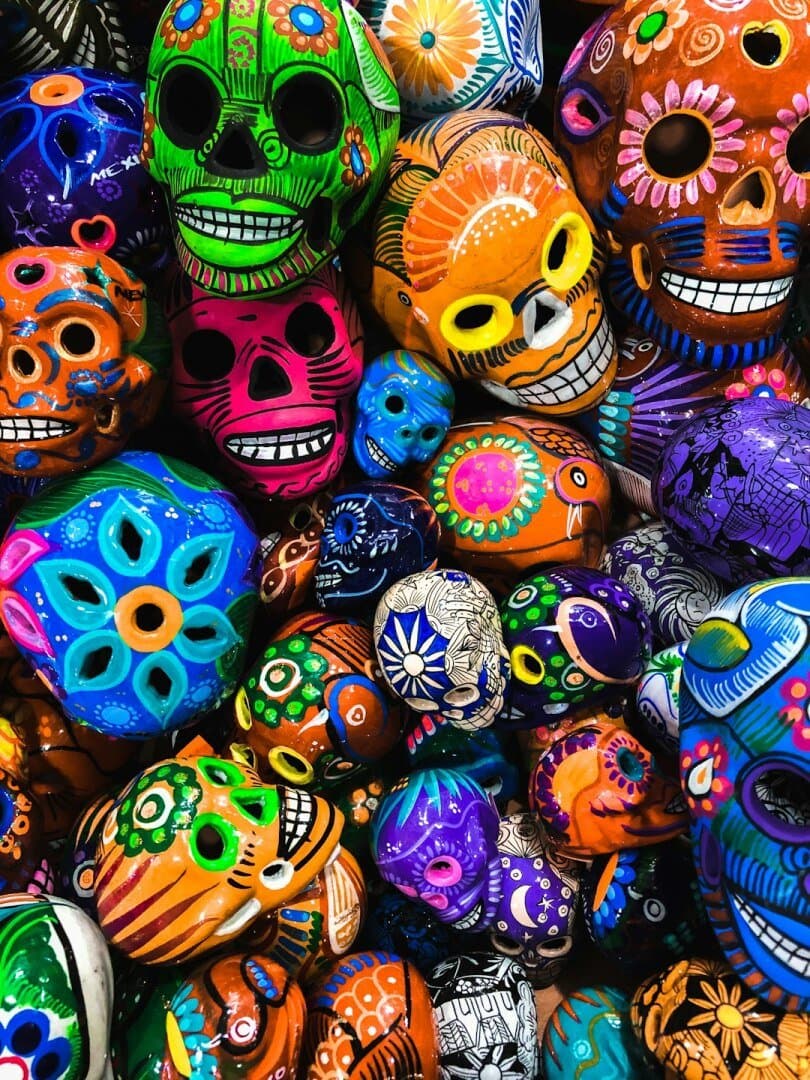
- Marigold flowers (cempasúchil), sugar skulls (calaveras), and altars (ofrendas) are prominent symbols of the celebration.
 TheLysts